
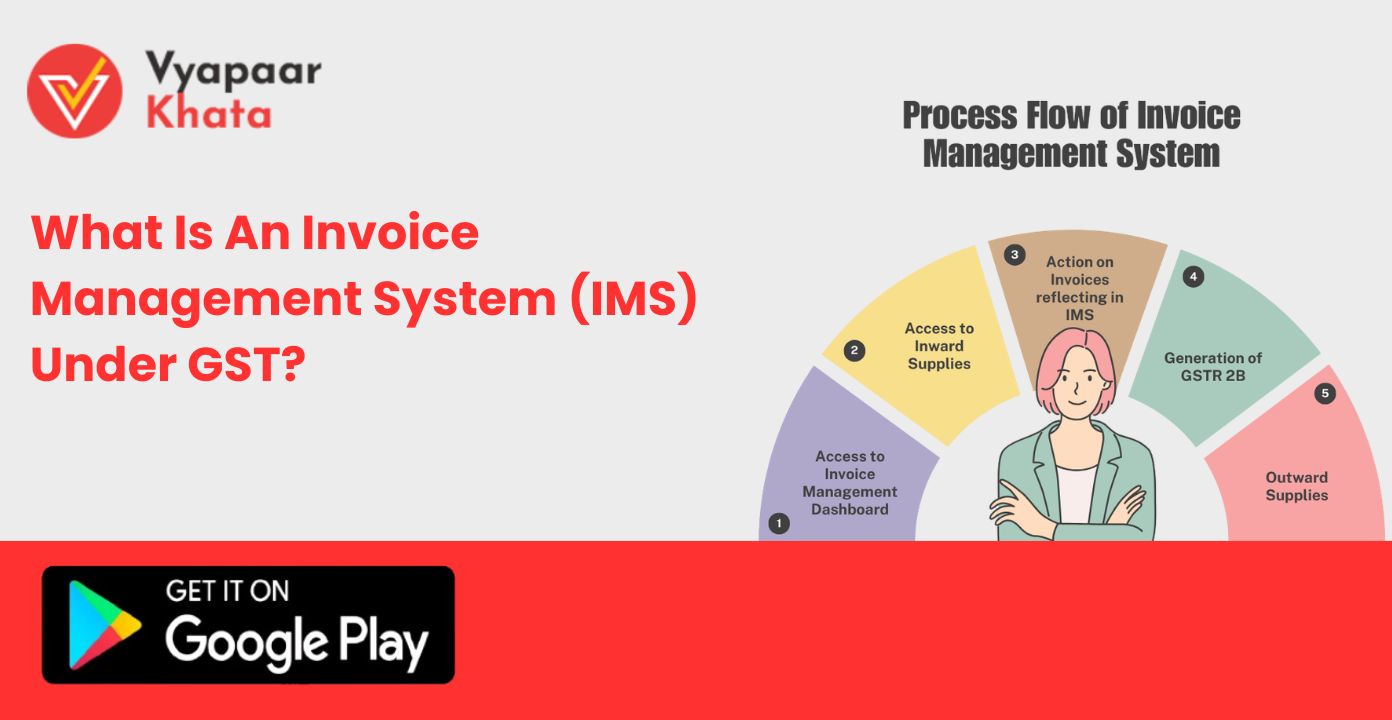
In today’s fast-paced business environment, managing invoices efficiently is no longer optional; it’s a necessity. An invoice is a critical financial document that records the sale of goods or services, ensures transparency, and serves as proof of transaction between a seller and a buyer. Under the Goods and Services Tax (GST) regime in India, accurate invoicing is not just a good business practice—it’s mandatory. Businesses must comply with strict invoicing standards, including correct GST calculations, invoice numbering, and timely reporting to the GST Network (GSTN).
This is where an Invoice Management System (IMS) comes into play. An IMS is a digital solution that automates the entire invoice lifecycle—from creation and approval to storage and reporting. By integrating IMS under GST, businesses can streamline invoice workflows, reduce human errors, and maintain compliance with the e-invoicing system introduced by the government.
Gone are the days of manually recording invoices in physical ledgers or spreadsheets. Modern businesses are turning to digital solutions that offer automation, efficiency, and real-time tracking. In addition to saving time, an IMS ensures GST compliance, helps with audits, and improves overall financial transparency. This article explores what an IMS is, its features, benefits, and why it’s crucial for businesses operating under GST regulations in India.
? VyaaparKhata is a simple and user-friendly billing, invoicing, and bookkeeping app designed for small and medium businesses. It helps business owners digitally manage invoices, sales, expenses, and customer records without needing advanced accounting knowledge.
Key Features
- Invoice Generation: Create GST-compliant and non-GST invoices quickly.
- Sales & Billing Tracking: Monitor payments, outstanding invoices, and cash flow.
- Customer & Contact Management: Maintain organized customer and supplier records.
- Expense & Purchase Tracking: Record purchases, expenses, and inventory easily.
- Payment Reminders: Send automated reminders to customers for timely payments.
- Reports & Insights: Generate simple reports for sales, profits, and expenses.
- Backup & Multi-Language Support: Keep data safe and use the app in local languages
What Is an Invoice Management System (IMS)?
An Invoice Management System (IMS) is a software platform designed to automate the process of creating, sending, receiving, tracking, and storing invoices. IMS solutions are particularly vital under GST because they ensure invoices meet the regulatory requirements set by the GST Council, including the correct application of GST rates, proper formatting, and integration with the government’s e-invoicing portal.
At its core, an IMS handles all the invoice-related tasks that were traditionally managed manually:
- Invoice Creation: Automatically generates invoices with pre-filled GST details, HSN/SAC codes, and supplier/buyer information.
- Approval Workflow: Enables multi-level approval processes to ensure all invoices are reviewed before dispatch.
- Tracking: Provides real-time monitoring of invoice status, such as pending, approved, or paid.
- Digital Storage: Stores invoices electronically, making retrieval for audits or reporting effortless.
- GST Integration: Ensures seamless reporting to the GSTN and compatibility with the e-invoice system.
In short, IMS is a complete solution for businesses looking to improve invoice efficiency and accuracy. The software can be deployed on-premise or on cloud platforms, allowing scalability according to business size. Small and medium-sized enterprises (SMEs) often benefit most, as IMS reduces manual workload and improves compliance with GST mandates.
With an IMS, businesses gain better control over cash flow, faster invoice approvals, and reduced risk of GST penalties. By adopting IMS under GST, companies can transform their financial processes from error-prone manual methods to a streamlined, automated system.
Importance of IMS in GST Compliance
Under GST, every business registered for the tax must issue compliant invoices for all taxable transactions. Failure to maintain proper invoices can result in penalties, delayed Input Tax Credit (ITC), and audit complications. This is where an Invoice Management System becomes critical.
Why IMS is Essential for GST Compliance:
- Automates Invoice Validation: Ensures that all invoices include mandatory GST details such as GSTIN, invoice number, taxable value, and applicable GST rates.
- Prevents Errors: Reduces manual mistakes like duplicate invoices, incorrect GST rates, or missing HSN/SAC codes.
- E-Invoice Integration: Automatically generates e-invoices and submits them to the GSTN portal for real-time validation.
- Audit Ready: Digital invoices are stored securely, making it easy to retrieve historical data for audits.
- Seamless ITC Claims: Accurate invoices ensure that Input Tax Credit is claimed correctly and without delays.
In a traditional system, businesses had to manually create invoices, cross-check details, and file reports—a time-consuming and error-prone process. By implementing IMS under GST, organizations can achieve faster invoice processing, better regulatory compliance, and improved financial control.
Moreover, in today’s competitive environment, clients expect quick and accurate invoicing. Using IMS not only keeps businesses compliant with GST but also enhances credibility and strengthens supplier-buyer relationships.
Key Features of an IMS Under GST
A modern Invoice Management System comes with a range of features designed to make GST compliance simple, efficient, and error-free. Some of the most important features include:
- Automated Invoice Creation: Generate GST-compliant invoices with auto-filled tax calculations, reducing manual work.
- Multi-Level Approval Workflow: Allows invoices to pass through internal approval stages before dispatch to customers.
- Integration with ERP and Accounting Software: Syncs with popular accounting platforms like Tally, SAP, and QuickBooks to maintain financial records.
- E-Invoice Generation & IRN Management: Automatically generates e-invoices, assigns Invoice Reference Numbers (IRNs), and submits them to the GSTN.
- Real-Time Invoice Tracking: Monitor invoice status, due dates, and payment confirmations in real-time.
- Digital Storage and Retrieval: Stores invoices securely in digital formats for easy access during audits.
- Reporting & Analytics: Provides insights on pending invoices, payments, GST compliance status, and cash flow.
- Duplicate Detection: Prevents issuing duplicate invoices, reducing the risk of compliance errors.
- Vendor and Customer Management: Maintains a database of suppliers and buyers for faster invoice creation.
- Notifications & Reminders: Sends alerts for pending approvals, payments, or GST filing deadlines.
These features make IMS an indispensable tool for businesses of all sizes. By automating repetitive tasks, IMS ensures accuracy, compliance, and efficiency. Especially under the GST regime, where invoicing errors can lead to financial penalties, having a robust IMS is no longer optional—it’s essential.
Benefits of Using IMS for Businesses
Adopting an Invoice Management System under GST provides numerous advantages, making it a vital component of modern business operations:
- Time-Saving: Automates the entire invoicing process, freeing up staff to focus on core business activities.
- Error Reduction: Minimizes manual mistakes such as incorrect GST calculations or missing invoice details.
- Improved Cash Flow Management: Helps track unpaid invoices and sends reminders for timely payments.
- GST Audit Readiness: Maintains a well-organized digital record of all invoices, simplifying audits.
- Enhanced Compliance: Automatically updates GST rates and ensures invoices meet e-invoicing requirements.
- Better Financial Insights: Reporting features provide a clear view of pending payments, revenue, and GST obligations.
- Scalability: Cloud-based IMS solutions can scale as businesses grow, accommodating larger volumes of invoices.
- Integration-Friendly: Works with ERP and accounting software for seamless financial management.
The benefits of IMS go beyond just compliance. Businesses experience operational efficiency, reduce administrative overhead, and can make better financial decisions based on real-time data. In a GST-driven market, IMS ensures that companies not only comply with legal requirements but also optimize their revenue collection and financial reporting.
Types of Invoice Management Systems
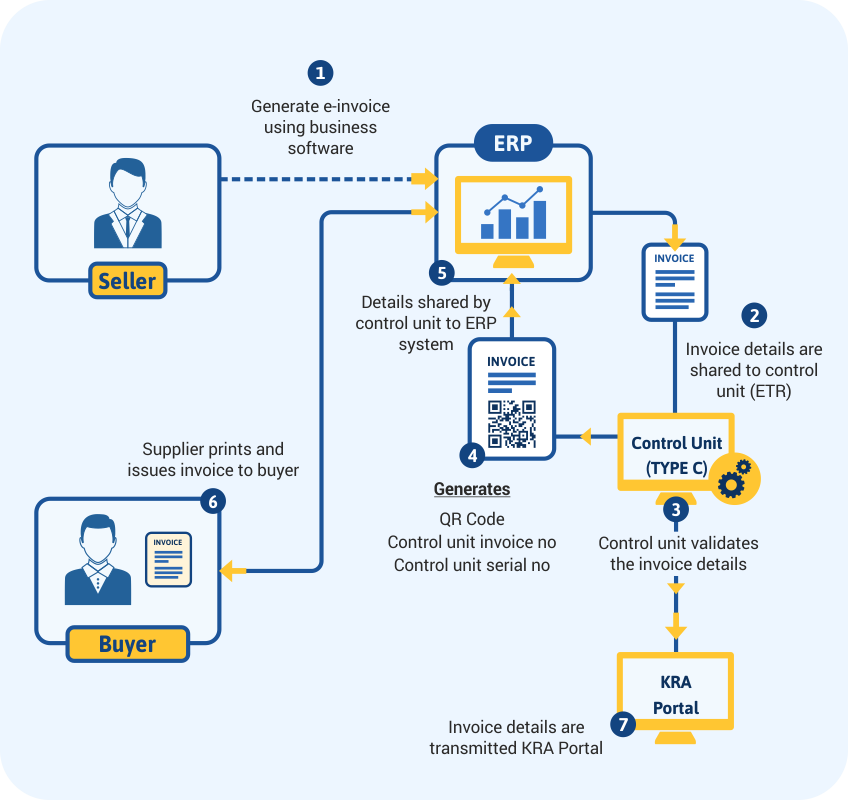
IMS software is available in various formats, catering to different business needs:
- Cloud-Based IMS:
- Hosted on secure cloud servers, accessible from anywhere.
- Offers automatic updates, remote access, and easy scalability.
- Ideal for SMEs and companies with multiple branches.
- On-Premise IMS:
- Installed on local servers within the organization.
- Offers higher control over data but requires dedicated IT infrastructure.
- Suitable for large enterprises with strict data security policies.
- Industry-Specific IMS Solutions:
- Tailored for sectors like manufacturing, retail, and e-commerce.
- Includes industry-relevant GST features and workflow automation.
Choosing the right IMS depends on business size, industry, and IT infrastructure. Cloud IMS is becoming increasingly popular due to its flexibility, cost-effectiveness, and compliance capabilities under GST.
How IMS Works Under GST
Understanding how IMS functions under GST helps businesses maximize its benefits. Here’s a step-by-step workflow:
- Invoice Creation: IMS auto-generates invoices using predefined templates with GSTIN, HSN/SAC codes, and tax rates.
- Approval Process: Multi-level approval ensures invoices are verified before dispatch.
- E-Invoice Generation: IMS connects to the GSTN portal to generate IRN (Invoice Reference Number) for every e-invoice.
- Invoice Dispatch: Once approved, invoices are sent to buyers via email or integrated platforms.
- Payment Tracking: IMS monitors payment status and sends reminders for pending dues.
- Digital Archiving: All invoices are stored electronically, facilitating audit readiness and compliance reporting.
- Reporting & Analytics: Provides insights on invoice volume, tax liabilities, pending payments, and compliance metrics.
This automation ensures that businesses adhere to GST e-invoicing rules while reducing manual intervention. IMS helps maintain accuracy, transparency, and efficiency in financial transactions, making GST compliance hassle-free.
Common Challenges and Solutions
Even with an IMS, businesses face challenges in invoice management under GST:
- Duplicate Invoices: Can lead to tax mismatches and penalties.
- Solution: IMS detects and prevents duplicate entries.
- Reconciliation Errors: Manual reconciliation between invoices and payments is error-prone.
- Solution: IMS integrates with accounting software for real-time reconciliation.
- GST Compliance Gaps: Missing details can trigger penalties.
- Solution: IMS auto-fills mandatory GST fields and validates invoices before submission.
- Data Management: Storing thousands of invoices can be challenging.
- Solution: Digital storage with cloud-based IMS ensures secure and organized data.
By adopting IMS under GST, businesses can proactively address these challenges, ensuring smoother operations and compliance.
Keywords included: invoice errors, GST compliance challenges, IMS solutions, GST-ready invoice system.
Future of IMS in GST Compliance
The future of Invoice Management Systems is increasingly digital, automated, and intelligent. Emerging trends include:
- AI and Machine Learning: Predictive analytics for payment patterns, fraud detection, and anomaly identification.
- Enhanced Cloud Integration: Real-time collaboration across multiple business locations.
- Mobile IMS Applications: Enabling invoice creation and approvals on-the-go.
- Blockchain Technology: Ensuring secure, tamper-proof invoice records.
Businesses adopting these advanced IMS solutions will be better prepared for evolving GST compliance requirements, operational efficiency, and improved decision-making.
Conclusion
An Invoice Management System under GST is no longer just an optional tool—it is a necessity for modern businesses. By automating invoice creation, validation, approval, and digital storage, IMS ensures accuracy, compliance, and efficiency. Companies benefit from reduced manual errors, faster payments, improved cash flow tracking, and audit readiness.
With the government’s push for e-invoicing and digital GST compliance, adopting a robust IMS is essential for both small and large enterprises. Whether cloud-based or on-premise, an IMS simplifies financial operations while ensuring that all invoices comply with GST regulations.
In the era of digital transformation, an IMS under GST is a critical investment for businesses looking to optimize operations, enhance compliance, and gain a competitive edge. By choosing the right IMS, businesses can streamline their invoicing workflows, avoid penalties, and focus on growth.
FAQs
- What is an IMS under GST?
It is a digital system that automates invoice creation, approval, storage, and GST compliance. - How does IMS help in GST e-invoicing?
IMS generates e-invoices, submits them to the GSTN, and assigns IRNs automatically. - Can IMS integrate with ERP and accounting software?
Yes, most IMS platforms integrate seamlessly with ERP, accounting, and financial systems. - Is IMS mandatory under GST?
While IMS is not mandatory, e-invoicing for businesses above a certain turnover is, making IMS highly recommended. - What are the benefits of digital invoice management?
Improved accuracy, audit readiness, faster approvals, error reduction, and better cash flow tracking